Quantum computing in plain English: what it can and can't do
- Maturity
- Early pilots
- Leader urgency
- Learn
- Hype level
- High
What it is
A classical computer stores information in bits, and each bit is either a 0 or a 1. A quantum computer uses qubits. Thanks to two effects from quantum physics, superposition and entanglement, a group of qubits can represent and work with many possibilities at once in a way ordinary bits cannot.
That does not mean a quantum computer “tries every answer at the same time” and hands you the best one. That’s the most common misunderstanding. Quantum algorithms work by carefully arranging for wrong answers to cancel each other out and right answers to reinforce, a bit like waves in water. This only works for problems with a particular mathematical structure.
So the honest one-line summary is: a quantum computer is a specialist machine, not a faster general-purpose one.
Why it matters
The problems where quantum computers are expected to help are important ones:
- Simulating nature. Molecules and materials behave according to quantum physics, so a quantum computer is a natural tool for modelling them. That matters for drug discovery, batteries, fertilisers and new materials.
- Certain optimisation and sampling problems. Some logistics, scheduling and financial modelling problems may benefit, though the evidence here is much thinner than the marketing suggests.
- Breaking some of today’s encryption. A large, reliable quantum computer could break the public-key cryptography that secures much of the internet. That’s why security is the one part of quantum that already needs a plan (see our Briefing on encryption).
For Bangalore’s GCCs, many of which support pharma, chemicals, banking, automotive and logistics businesses, these are exactly the parent companies likely to experiment first. Leaders who understand the basics will be the ones asked to join those conversations.
What’s real vs hype
Real now: Quantum computers exist and you can access experimental machines through the major cloud providers today. The software is open too: Qiskit, IBM’s open-source quantum SDK, runs on a laptop simulator, so a curious engineer can start for free. Teams are using these tools to learn, build skills and run small research experiments.
Near: Hybrid workflows, where a classical computer does most of the work and hands a small, hard sub-problem to a quantum processor, are the most likely first route to practical value for specific scientific and optimisation tasks.
Hype to question: Today’s machines are still small and “noisy”: they make errors, and correcting those errors takes many extra qubits. Be sceptical of claims that quantum will replace classical computing, that it will speed up your general business workloads, or that a vendor already has “quantum advantage” on a problem like yours. Ask for the comparison against the best classical method, not an outdated one.
What to do now
- Don’t buy, learn. Give one or two curious architects time to explore a cloud quantum service and report back in plain language.
- Map your problem types. List the simulation, optimisation and scheduling problems your organisation or parent company cares about. That list is how you’ll recognise a genuine opportunity later.
- Prepare your vendor questions. “Compared to what classical baseline?” and “On what size of problem?” will filter out most weak claims.
- Start the security conversation separately. Post-quantum cryptography is a planning task today, whatever happens with quantum computing itself.
- Revisit yearly. Put quantum on your technology radar with a named owner and a once-a-year review.
Try it yourself
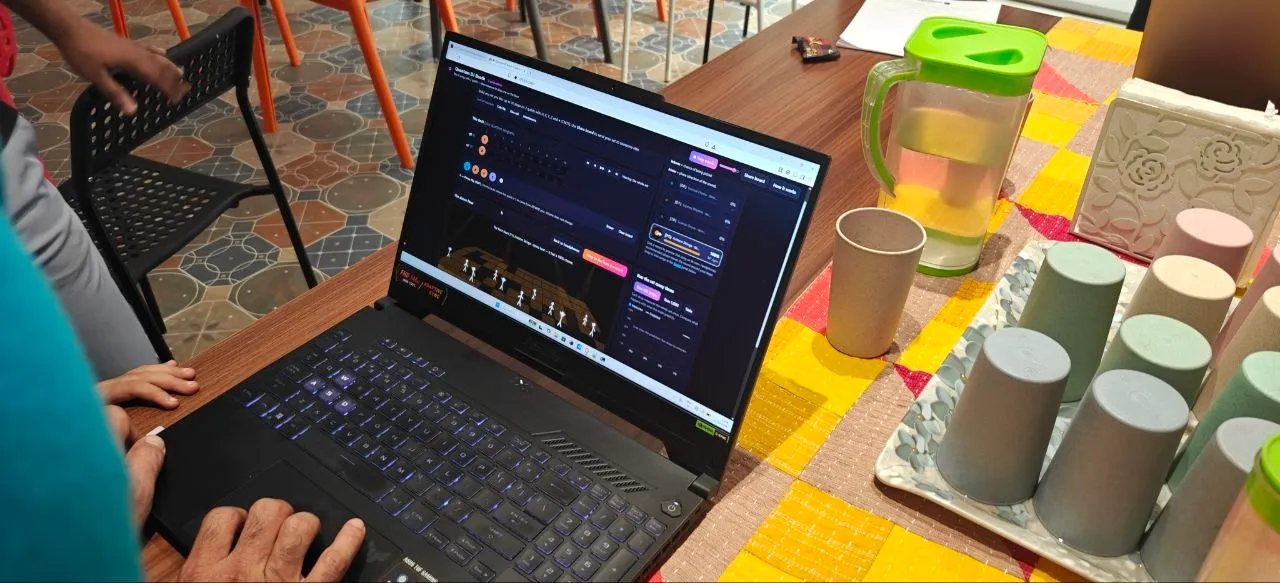
The fastest way to feel what a qubit is takes about five minutes. Qiskit DJ Booth, built by Tech Coach Circle mentor Vivek Ganesan and part of the official Qiskit Ecosystem, lets you build a two-qubit circuit, hear the superposition as a mix of four tracks, then “drop” to measure and hear one outcome win. It runs on a local simulator, never real hardware, which is also a fair picture of where most leaders should start.
From the Circle
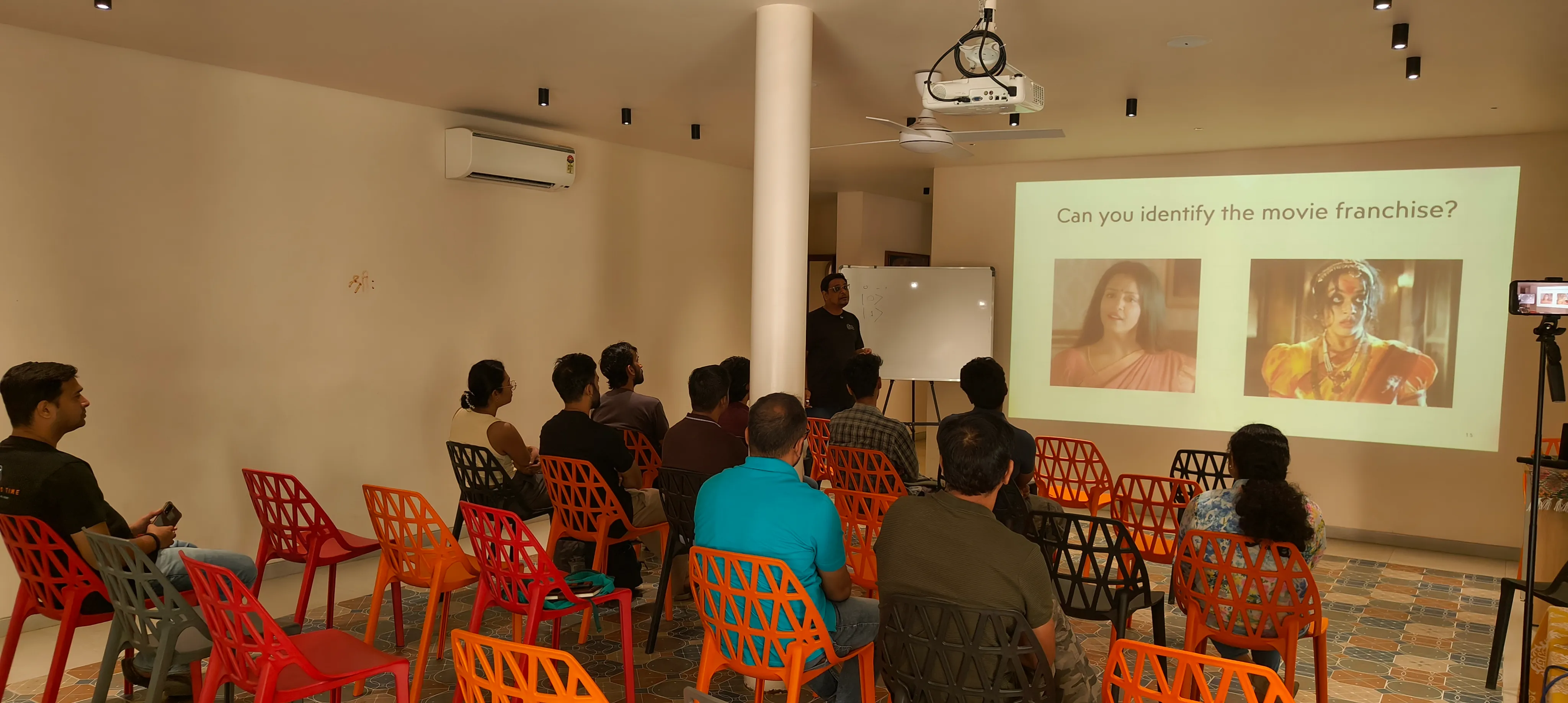
We decoded this topic in person at the Quantum Circle in Bangalore on 11 October 2026. Attendees tried the Qiskit DJ Booth on a laptop, and the session opened with a familiar film analogy: a qubit explained through Ganga and Chandramukhi, one person in two states at once.